Confessions of a Pretendian

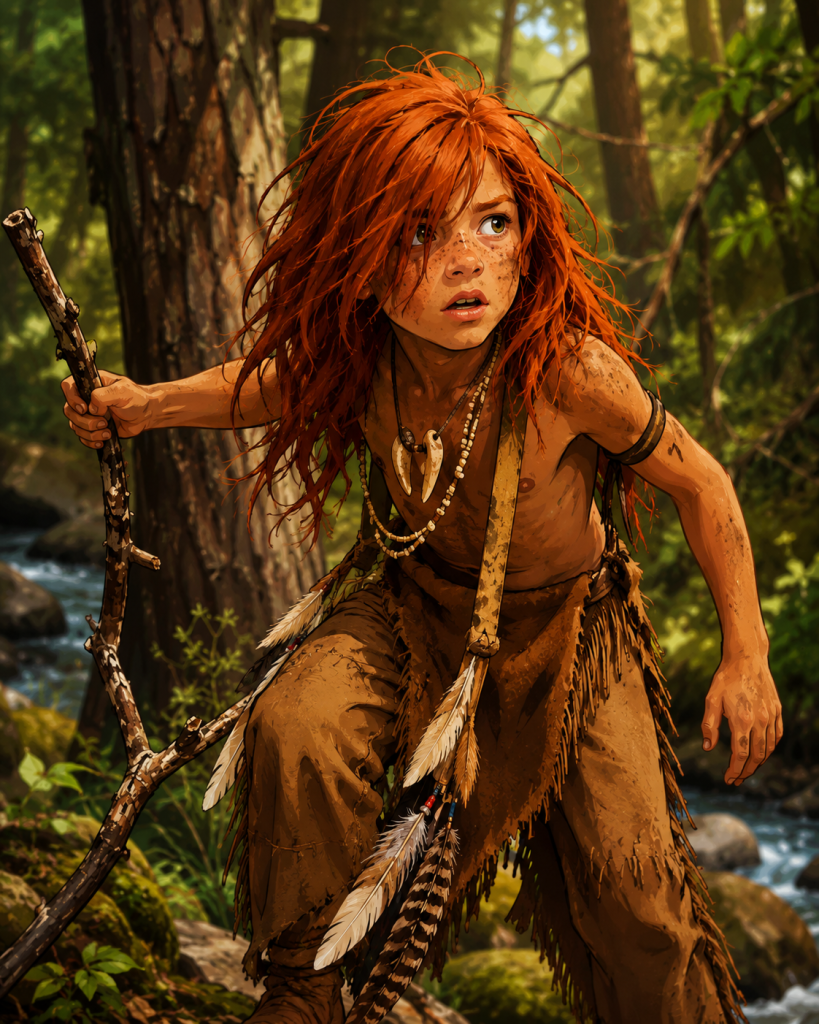
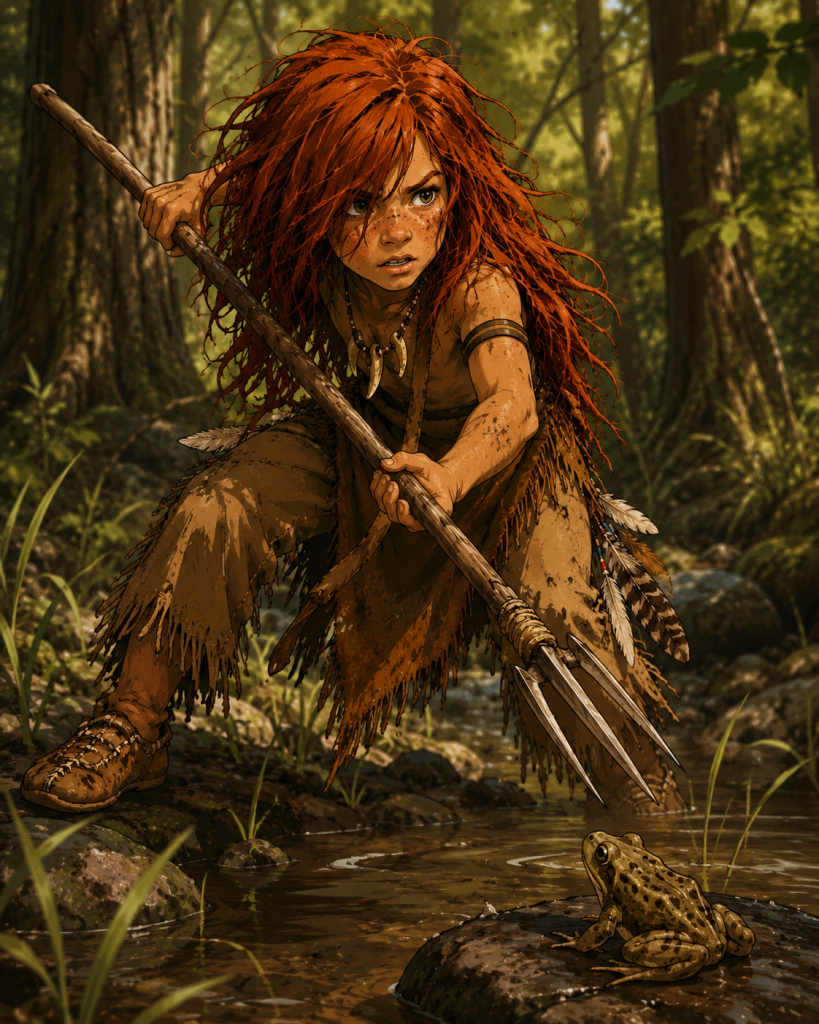
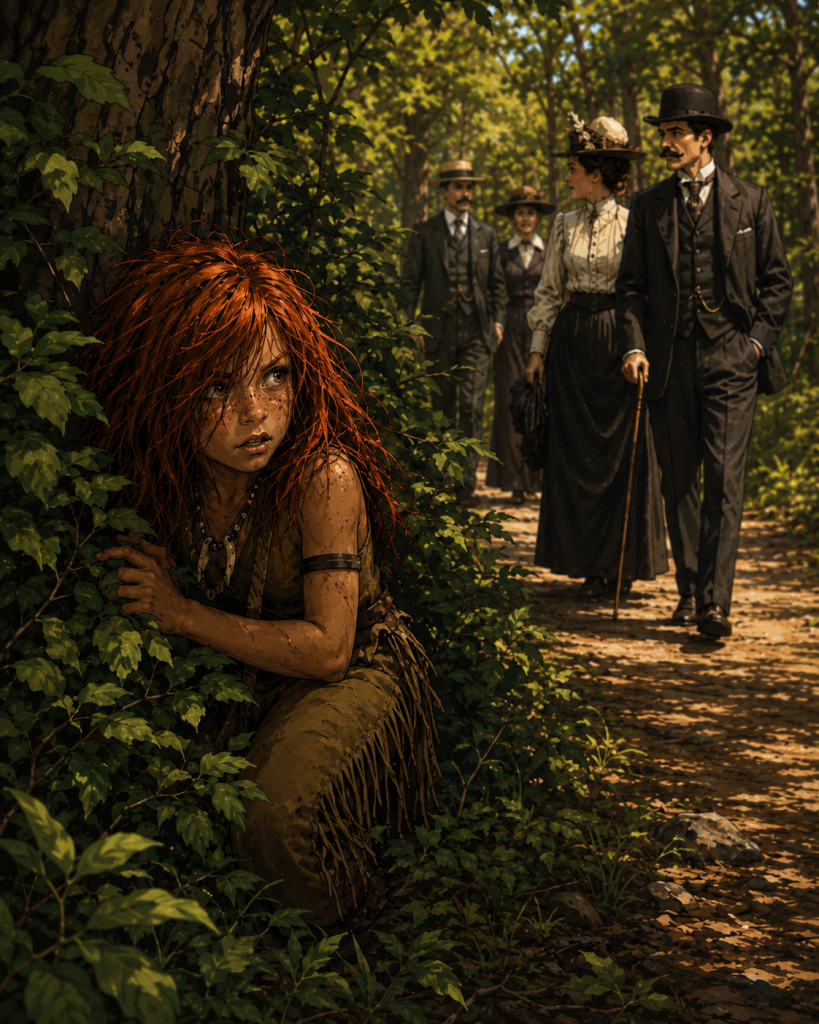
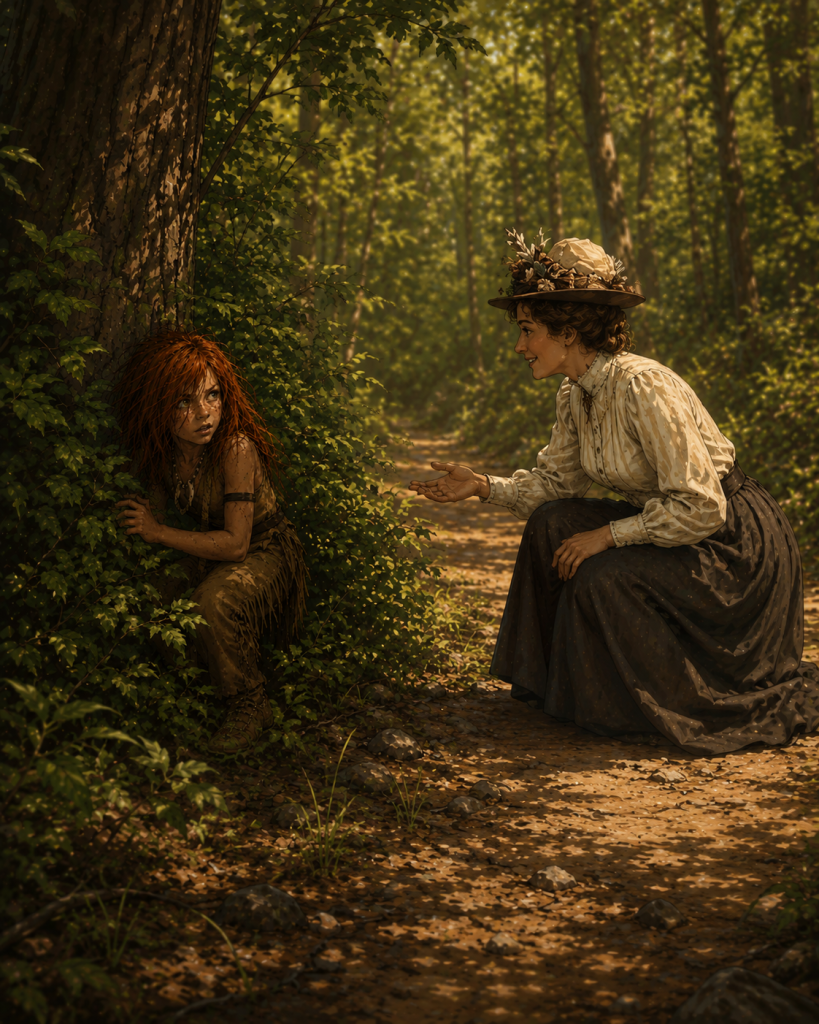
All of my life, since I was a little girl, I had felt that I was, or wished I was, a Native American.  I absolutely devoured every book on the subject that I could get my hands on.  The woods around my rural childhood home, if ever excavated by archeologists, would cause quite a stir.  They would be puzzled by the remains of hobbit-sized, eastern woodland wigwams, fire pits, badly made stone tools, and woven mats.   I learned many of those skills from books, but it seemed like something I had innately known, and I was reading to learn how to do them properly.    I spent almost every weekend with my French Canadian Grandfather, who never said a word about being Metis or Mi’kmaq, but taught me our basic spirituality and stories as he knew them, from his own cultural context.  At the time, I thought it was just Catholicism.   But now, later in life, I have discovered that it was very similar to the Anishinaabe Seven Grandfather Teachings.   He taught me about nature and love of the land.  How sacred the animals and forests are.  Throughout my adult life, I informally studied mostly fragments of Wampanoag, Nipmuc, and Abenaki teachings and technology.  Woodworking, signs left on the landscape, to show travellers the way.   The names of places and things, and their meanings.   The people who walked these lands, generations ago, became no longer so distant.  They were still with us.  But distant to me in another way, as I felt like I were sort of a bastard child of invaders.     So the more admirable parts of my life, when I was not drunk and miserable, that is what occupied my mind, my soul, and my time.  And it is what led me to believe, in spirit at least, that perhaps I was indigenous.  At the time, nothing in my family tree suggested any factual basis for this.

Until a very few years ago, I really did not know much about my family’s history.  My parents had zero interest.  They were Americans.  They loved the Beatles and cars, and a big house, and stupid TV shows, and all the things modern people are supposed to want.   My Grandparents were traumatised.  They escaped a miserable, impoverished life in all of places, Canada.   I was never told of our amazing history as Acadians, of our amazing society, of our tragic genocide, or of our mixed Mi’kmaq heritage.  I knew nothing of the Acadian kids being denied schooling, and the Mi’kmaq kids being rounded up into residential schools.  A parallel and brutal erasure of a ‘problem people’.   I learned from my Uncle that my Grandfather, as a child, was surrounded by a mixed Metis society and that parts of his family lived in nearby wigwams.  My great-grandfather “played fiddle at powwows”.  I received only fragmented memories, teachings, mostly disguised as something else.  Or maybe, in my Grandfather’s mind, it wasn’t interesting or cool.  Just commonplace, and maybe embarrassing.  Country.  Hick-like.

At this late time in life, I am putting it all together, all these fragments, filling in stuff that had been missing in me.   If you had asked me why I felt like I was indigenous, even just a year ago.  I would point to all of that as proof somehow.    But especially over the last year, my thinking has changed a lot as I’ve learned more important things.   The more I find out about my ancestry, and feel that I have a “solid claim”, the less important it seems to me to prove anything to anyone.  I see every day, in indigenous groups, so much fighting, and hatred, and especially all the “pretendian” hunters.   Having felt like an outsider for so long, I actually feel more in solidarity with fellow seekers, being rejected and labelled “pretendians”, than any desire to be privileged and accepted.   People should be helping others find their way home, not slamming the door in their faces.

I will simply state some things that I believe and have come to realise.

  • I am already home, and have always been.  I love and belong to the land, right where I am.  When I look out to the mountains, I see the young mother in the landscape.  When I see our river, I see it as long ago, with salmon and sturgeon leaping through the falls, as it has always been, and will again.
  • My people are all around me, diverse people of all colours, many refugees or displaced indigenous peoples from other lands.  I work all day with many of my elders. I care for them all and feel responsible to them.  This is home.
  • My own heritage, as that of others, is a precious gift that must not perish, and is a gift to our children and those who come after.   It is not for us to hoard.  We are carriers.
  • We are all human beings, children!  Put here, where we are, by our creator.  We are here to help each other, learn from each other, and walk together in a good way.
  • I do have nostalgia and a romantic notion of the past.  But I am a futurist.  And if I am any kind of Puoinaq or prophet, I firmly believe that all of us, together, will find our way back to the circle.  And then everyone will truly be indigenous, belonging to the land and each other.    Our grandchildren or great-grandchildren may see this day.   This will not be returning to the past.  This will be a future in balance.
  • Our current culture, all of our cultures, are sick.  Forces drive us apart.  We try to fill ourselves up with stuff…   more food, sex, alcohol, drugs, buying lots of stuff,  bigger houses, fancier cars, money money money.   We are the richest we have ever been.  And no one is happy.  We have to work to heal ourselves and those around us.

That is not everything that I believe, but it is what is most relevant today, to the question: “What makes you think you are indigenous?”  Way more important than whatever my DNA test or quantum might turn out to be, or whatever amazing Mi’kmaq people I find in my tree.  At this point, I am not very inclined to tell you.  I am not a fucking prize poodle.  The above list describes what I am about.

Wela’lin – Miigwech – Merci – Thank you

Hyacinth Jean   – Friday the 13th – 2026
Minwendaagozi-ajidamoong
(happy squirrel place)

Oral History from Caraquet

This might help illustrate the difficulty I have in relating to other Mi’kmaq people. In this story, Louisette Lanteigne describes her family as being métis. When I speak to Mi’kmaq people from English speaking provinces, I am met with great hostility when I try to describe my roots. This past week, I was actually called “a cancer” by a young man.

This is the culture that my Landry family came from, during my Grandfather’s time.

My Misadventures in Music Making

For the past couple of months, to aid me in my even older new adventure of learning French, I have started experimenting with Suno, an AI music creation tool. I have a very musical mind, and my French-translated songs are really helping me absorb new words.

Here are some samples of songs:

Are You Going to the Caraquet Fair? (the old folk song)

Hyacinth – Flower of Spring

Jacqueline (about a distant ancestor in the 1600’s)

The One Who Stayed
a song about the Ojibwe migration from my homeland in Canada, centuries ago. This is a rough draft.

It’s Your World (a french cover of a Gil Scott Heron song)

The full collection can be found at: https://groovyverse.com/music

A New Adventure

When the calendar drearily flipped from 2025 to 2026 after all of the very depressing events of the previous year, with no promise of change; I had been quietly praying for a little bit of guidance for some direction to take in the coming year. I had received my passport, having lost the battle to have my correct gender reflected on it. I had some vague plans to travel to Canada to go to some powwows, try to discover more about my ancestry, and impose myself somehow, on people who literally told me “Take a hint. We don’t want you around” at one point. I had absolutely ZERO idea that I would be enrolled in college a couple of weeks later!

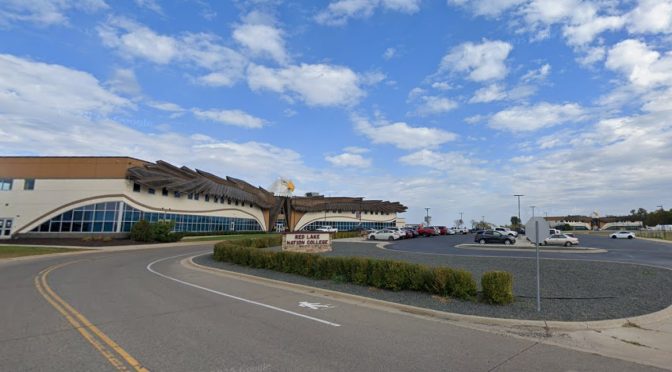
Even with all of the rejection and discouragement, I decided to be patient and continue studying the Mi’kmaq language, reading voraciously, and just staying off the related social media groups. I also started coming across a lot of Ojibwe language lessons, and some of their teachings. It was all so familiar! I found that I was picking up Ojibwe really fast! I came across a lecture about The Seven Generations and the Seven Grandfather Teachings (2021, Vukelich, J.), hosted at Red Lake Nation College. I was really blown away by the teachings themselves, which were very much like what I learned from my own Grandfather. And I was also incredibly moved by the introductory words by Dan King, Ogimaa (Chief) of the Red Lake Band of Chippewa, and college President. I decided to take a chance. I applied and wrote an introductory email about myself to the admissions office. From that point, my life has been 100% completely out of my control. A week later I was registered for and beginning two classes! The next semester, I expect to be a full time, in-person student on their campus in Minnesota.

This is an incredibly positive and exciting experience for me. I seem to be doing well in my classes, which I had never really dreamed possible. But it is also one of the most terrifying things I have ever embarked upon. Maybe even more so than gender transitioning in a very hostile world. In my previous life, I was a high school dropout. I didn’t just drop out on a whim. I literally had not been able to function at all in school for several years. I found myself wondering how I had the absolutely absurd audacity to think I could survive in college. I literally almost panicked and bailed out 10 minutes before my first class. But I didn’t run! And like most other things in the past year that were really scary for me, they turned out ok. I just have to show up. The universe seems to take care of me.

The classes I am taking, are usually no big deal for most people. But I am finding that in every class, I am forced to remember and write about things that I have always been scared to think about and remember. My previous experiences in school mostly. Explaining myself. Who I am. What have I done in life. I am someone who for the past few years of sobriety, has constructed a world that I can live in, and surround myself with a GroovyVerse warp bubble of alternate reality. The day I got sober is day zero of year zero. Nothing happened before that. It is all moving forward! I do this everywhere, even at work. I am a transgender woman and deal with hundreds of people every day, half of which usually hate my guts, and I make most of them like me by the end of our short transaction. When they set foot into my 10 foot radius warp bubble, they are doomed. I create a little world where I can exist, love everyone, even if they don’t love me back. And I make it work.

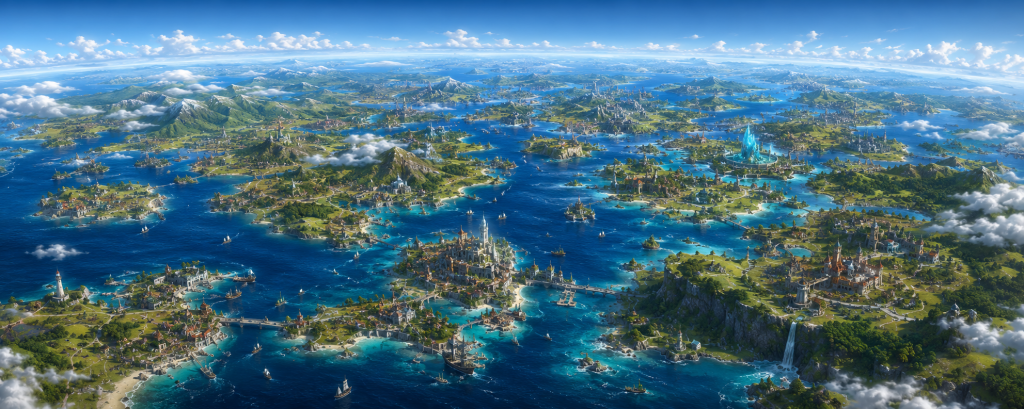
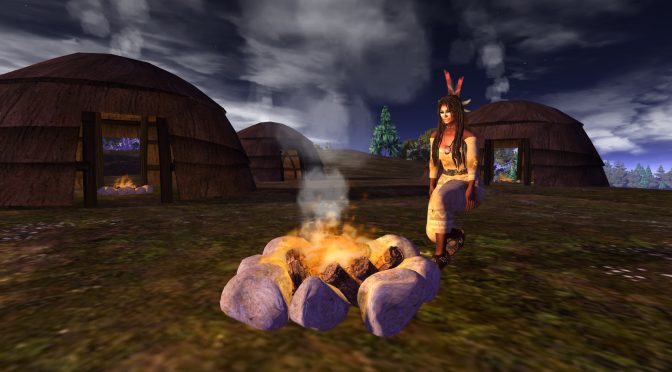
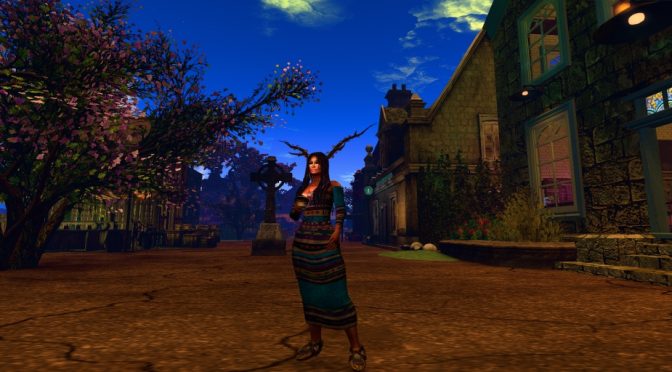
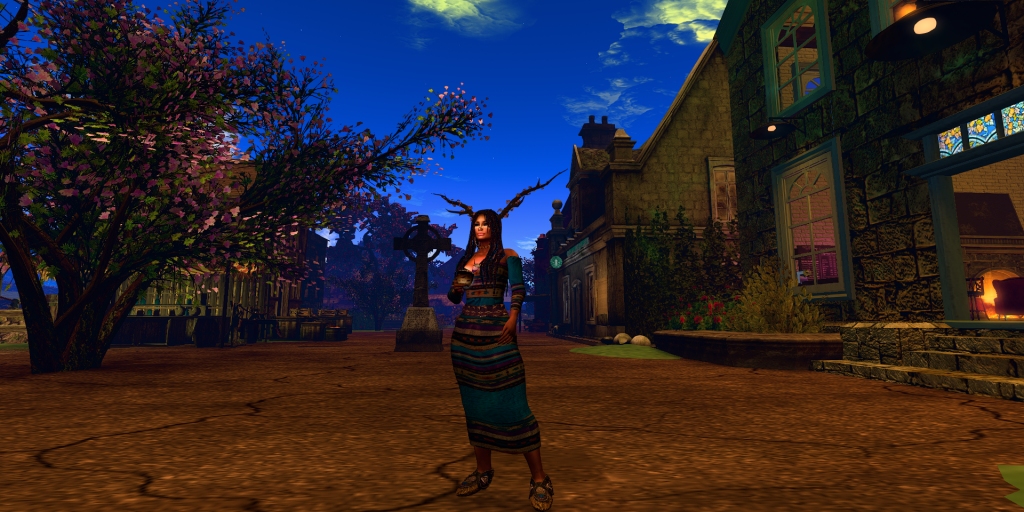
This strange ability to warp reality, grew out of our virtual world, GroovyVerse. We are a community of artists that have created a whole world, roughly the size of Wyoming. It is filled with cities, railroads, pristine wilderness, sailboats that you can explore the vast waterways with for weeks, Tolkien’s Middle Earth, pre-contact Native America, 18th century Acadia, and countless other creations. Most importantly, we are like a small utopia where people are really kind and decent to each other. We are used to dreaming it, and making it reality. That has spilled out into the real world for me a bit. I carry this reality with me.

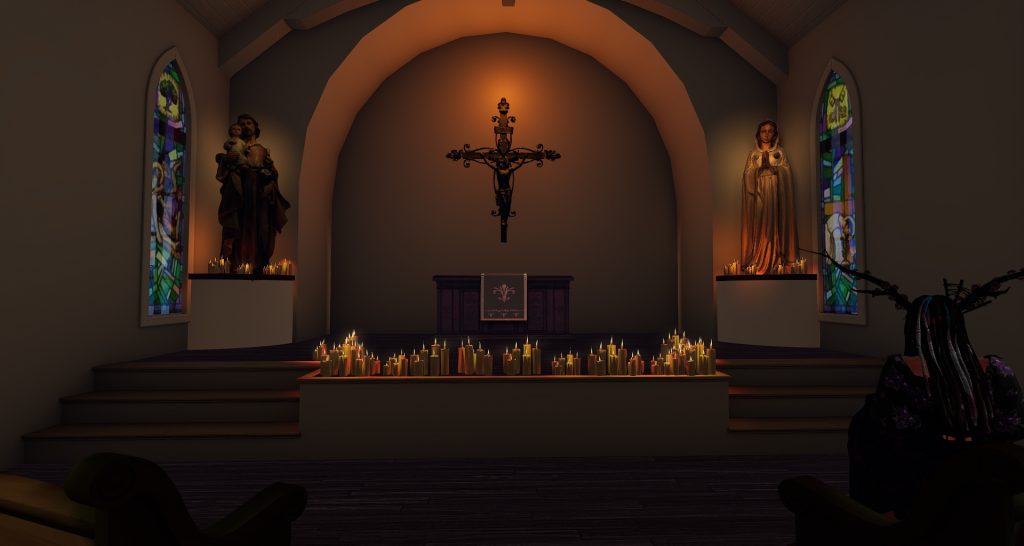
Hyacinth at Historic Caraquet in the GroovyVerse virtual world.


Unfortunately in school, I am not a goddess. I do not have my amazing Jedi powers that I exhibit at work. I have to face things I do not want to face, and write about things that I do not want to remember. I am catching up with decades of therapy that I refused to get. But… I still have a tiny bit of magic. I am showing up, every day. Doing my best and doing what I need to do. And so far, I am subverting my whole history and everyone’s expectations of the old me, and getting good grades. And I am even doing citations. Imagine that! 🙂

Vukelich, James (2021). 7 Ojibwe Grandfather Teachings – YouTube
https://youtu.be/taMWDXMIfDE

Various Artists (2016-present). The Universe that Dares to be Different! – GroovyVerse
https://groovyverse.com/

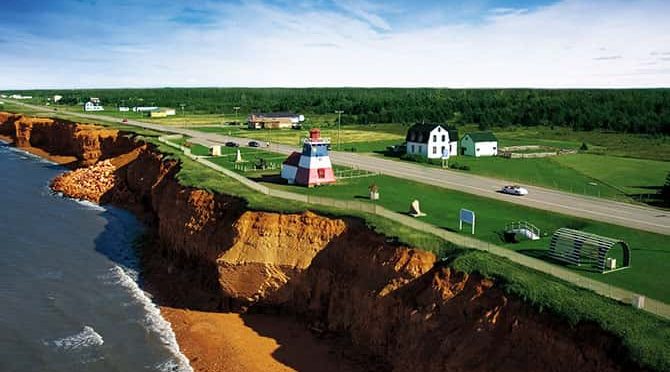
Cover photo courtesy of Google Maps

The One Who Stayed

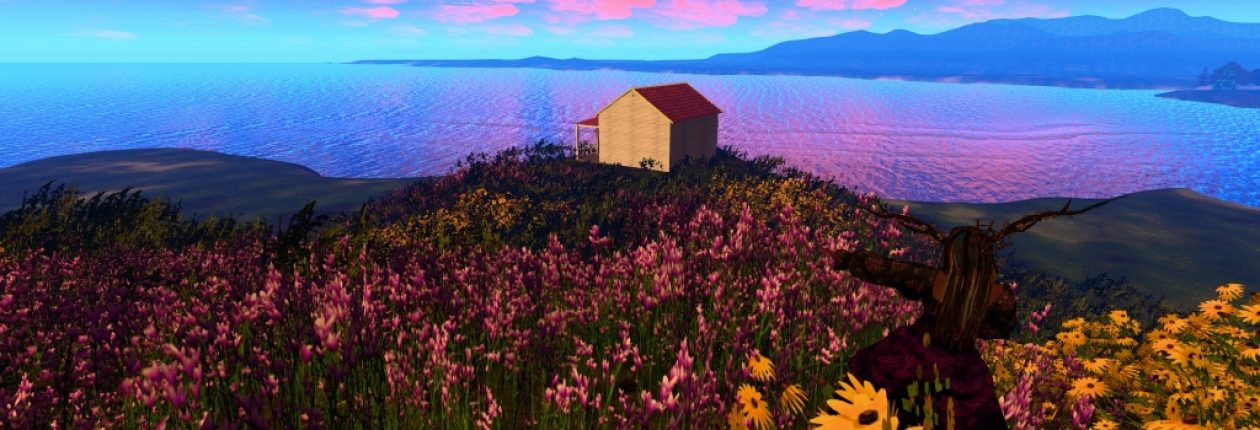
Sitting on my hillside
I look across the waters
to where the rivers meet
Kaluket, my home

There were once many fires
and many of my people
dancing, singing
a place of joy and plenty

The prophets spoke
of trouble to come
of wars and hunger
that we would lose our way

The prophets spoke
of lakes like oceans
where the bountiful grains
grow on the water

I did not believe
I did not want to leave
oh, I did not want to leave
this place, my home

The smells of sweetgrass
and fields of lupine
flowers the color of the waqatasg
the spirits that dance in the north sky

I wonder where are my people
if they are safe and happy
on their long journey
to where the sun sets

I am old, and tired
and too stubborn to go
oh I miss the fires and dancing
across the water in Kaluket

But I am not alone
the scent of sweetgrass
and the dancing fires of lupine
keep me company on my little hill

Wausek, is the name that chose me
flower of spring that cannot last
I will bloom again
long from now

In the far off land
with lakes like oceans
where grain grows on the waters
and the people are happy and kind

It serves me right…

Tonight I installed Windows 10 on my desktop computer. I have run Linux exclusively for almost 20 years. I managed to get it running beautiful, and was able to test the custom Firestorm viewer software that I had compiled. That came out gorgeous as well.

But.. in the process, the entire boot partition for my Linux OS got wiped out. Oops 🙂

So I am posting this tale of woe, from a Live Linux usb stick, while I rescue all my files. Luckily all my files are still there, and I can listen to my music collection. 🙂

Kun’tewiktuk: A Mi’kmaw Adventure

Several months ago, I had just randomly come across this project. It was like the first breadcrumb in a trail that has really completely changed my life. It is a wonderful video game, intended to teach Mi’kmaq language, stories and culture to youngsters. Even 56 year old youngsters like me. 🙂

Proceeds from the game sales go to scholarship funds for First Nations youth, wishing to pursue careers in technology fields. Even though I am really not into video games, it has inspired me so much to explore my own ancestry and to develop a similar idea in our virtual world, GroovyVerse. I became an early funder of the game, and also a donor to Indspire which is a scholarship program for First Nations youth.

I hope you will give it a look, and possibly support this effort. Even if you are not Mi’kmaq or a person of indigenous descent, I think you will find some of the stories very familiar. It is no coincidence that they bear similarities to Lord of the Rings. Many of the northern peoples in the Americas, Europe, Siberia have very similar legends. In particular, the Sami in Finland were a great inspiration to Tolkien. In this Mi’kmaq story, one can not help but see the familiar hobbits, trolls and other characters and narratives, that I think we all shared at one time.

If anything. I hope this may make you realize that as difficult as things may seem now. There are people who went through A LOT. And persisted, and thrived and are still here creating beautiful things. We all can too.

https://www.mikmawadventure.com

Are we a New People?

From the time I was a small child, I had been fascinated with native culture and beliefs. I would devour every book I could get my hands on. I suspect that if future archaeologists explore the woods around my childhood home, they might be puzzled and think an unknown tribe of Hobbits had a civilization there. I littered the place with pint-sized wigwams, stone circles, racks for tanning pelts, spears, attempts at knapping arrowheads..

As an adult, I was lost in the world of adults, living in a polluted mess where everyone is miserable. Longing for another life. Occasionally, I would attend some regional, public powwows, listen to speakers. Or I would run into co-workers or friends who happen to be Nipmuc, Wampanoag or Abenaki. But… I always felt like I was a white kid, a wanna-be, invading people’s sacred space.

All my life, I had no idea that my Grandparents were Mi’kmaq. They came to the United States at a time when the Canadian government was specifically rounding up Mi’kmaq kids to send to the boarding schools. I think our family was terrified and they really had it hammered into their heads to never tell anyone that they are native. After doing some recent geneology, I have discovered that I have about the same fraction of native blood as many of the indigenous people that I respect very much. Most of us have mixed in. Our parents and grandparents have tried to conform and blend in, and so much is lost or forgotten. Now we are several generations distant, have grandparents who have passed, or were very traumatized and don’t want to talk about it directly.

All my life, I have learned mostly from other people, Abenaki, Wampanoag, etc… My family, the Mi’kmaq are hundreds of miles away in eastern Canada. I am trying to learn our language, and our traditional beliefs, which are basically a mix of Catholicism and Mi’kmaq traditional beliefs. Chief Membertou successfully negotiated with the Vatican for that! wow! 🙂 I grew up in a family that identified as French Canadian Catholics. But now reading about my culture and people in modern day Canada, it is all so familiar! I realize that my Grandparents and church stealthily taught me my people’s ways.

I have also discovered, sadly, that my people are struggling, living in poverty and with all of the social ills that comes with. Unless I become rich and can go there and be some kind of wealthy benefactor, I would be a burden on my people. And, even though my people are from far away. My home is here, at Amoskaeg and Massabesic (Manchester New Hampshire) I belong to the land here. So I am a wayward daughter of my people, living far away.

Many years ago, I read a novel “Svaha”, which is pure science fiction. It takes place in a cyberpunk kind of future where the world is corrupt and polluted. Indigenous people had discovered a technology to create shielded enclaves, much like Wakanda in the Black Panther movies. They live happily apart from the world. The character “Gazhee” is charged with the duty of leaving the enclaves and going out into the world, to recover some stolen technology. He faces the sad reality that once he leaves, he can never go home. In his travels through the wastelands, he discovers people everywhere he goes, who long for a different and better life, and he comes to love them and realizes that he has a greater mission to gather a new people, who can build a new world together. This story touched my heart and affected me so deeply.

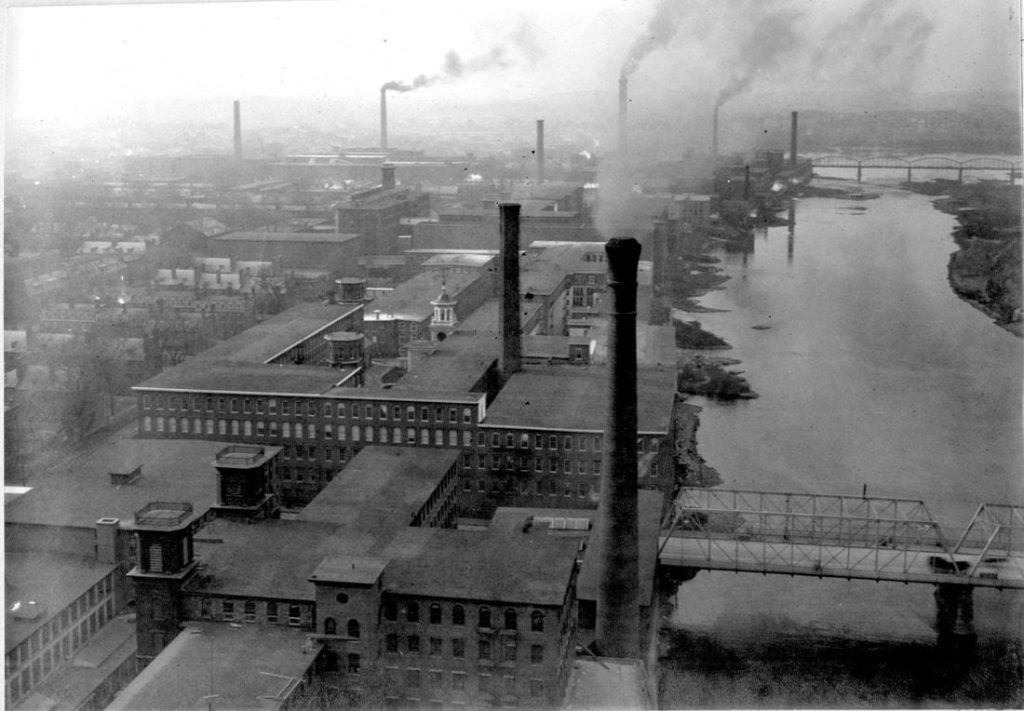
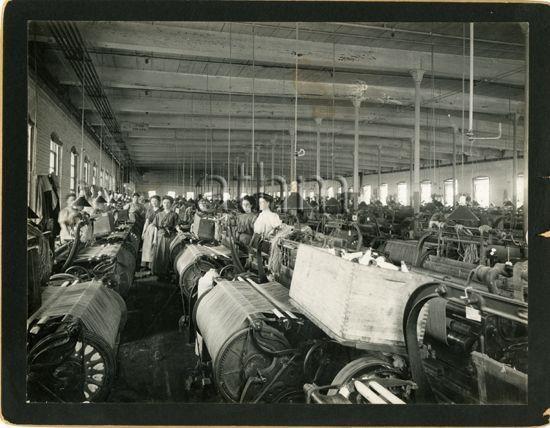
Now I find myself in a similar situation to Gazhee. I can never really go home. I have to make my home here, among lost people who are longing for a different world. Where I live now. Many of our grandparents are immigrants that came here from the same parts of Canada, to work in the mills, build a life for their children, and likely I am surrounded by similar grandchildren of Mi’kmaq who are lost, and maybe share that same longing. I also run a virtual world called GroovyVerse, which is REALLY cyberpunk, but we have turned our world into a beautiful, peaceful place, and became kind of a weird tribe of our own.

500+ years ago, indigenous peoples moved around a lot, mixed with other people, forgot things, learned new things. Developed and learned new technologies and ways of life. They were continually becoming a “new people” all of the time. My own people became Catholics in 1610, and relatively happily melded that into their own ways. To this day, that is our proud, cultural identity. So here we are, in 2025. We are in a very different place, and a different world. I am far away from home. I am no longer Catholic. I am transgender. I have my own datacenter downstairs in my office that I run an alternate reality universe on, that is home to my tribe of about 200 people whom I love very much like family. Where does that leave me? I long for home, but I can’t go “home”. I am home. home is here. Where does that leave us? People who know everything around us is wrong. We feel trapped.

I think we have to do what our ancestors have always done. Become a new people. Find a way to live in balance with the land and all of our relations in nature. Be good stewards, help the land heal and become green again. I dream of a day when countless salmon jump through the restored Amoskeag falls again, and our children will be free and happy, learn our languages and cultures. I can’t emigrate back to Canada to find that. My people are already struggling. The best I can do to help, and be a good daughter of my people is to continue learning our language, and I am doing ok. I can donate to college funds for our youth, as I have been doing. Perhaps I can teach the language to others like me, in my area (there are thousands!)

I not only hope, I firmly believe that we will someday look around us and wake up. See the beauty that is still all around us, waiting for us to re-join it.

The Portrayal of Natives as Strangers and Sorcerers in Acadian and Newfoundland Folk Legends

I came across this article while searching for information about La Mariecomo and witchcraft in New Brunswick. I have translated it with a PDF translator, which is less than perfect. The original in French can be found at the link below.

I will apologize for some of the language: terms like “taoueille”, “sauvage”, etc.

Canadian academics appear to be unencumbered by any form of cultural sensitivity. :/

https://www.erudit.org/fr/revues/rabaska/2009-v7-rabaska3475/038337ar


The Image of the Micmacs as Foreigners and Sorcerers in Acadian and Newfoundland Legend

RONALD LABELLE

University of Moncton

Witchcraft remains a little-known phenomenon in the cultural history of Eastern Canada, although it has been present everywhere since the beginning of colonization in the 17th century. In the introduction to her book on witchcraft in Newfoundland, Barbara Rieti points out that one could visit every heritage site in the province without finding a single reference to the existence of witchcraft . 1 Yet the Memorial University of Newfoundland Folklore and Language Archive is full of tales of witchcraft. Similarly, Nova Scotian folklorist Helen Creighton collected hundreds of tales in her home province, 2 while Sister Catherine Jolicœur did the same during her surveys of Acadians in New Brunswick, a province where one can visit at least one heritage site that documents witchcraft legends. The permanent ,exhibition at the Acadian Museum of the University of Moncton presents a painting illustrating the famous “Mariecomo” (see below).

Continue reading The Portrayal of Natives as Strangers and Sorcerers in Acadian and Newfoundland Folk Legends